Owning an apartment on the Costa del Sol and offering it as a short-term rental on Airbnb or Booking is an attractive source of income. But holiday rental tax in Spain for non-residents remains a hazy subject for many French owners. Between the Spanish non-resident income tax, the tax treaty between France and Spain and the reporting obligations in both countries, it is easy to get lost. This article explains what you really need to declare, where, and in what order, to stay compliant without unpleasant surprises.
IRNR: the Spanish tax every non-resident owner should know
In Spain, an owner who does not live in the country is subject to the Impuesto sobre la Renta de No Residentes, better known as IRNR. This tax applies as soon as you receive rental income from a property located in Spain, whether you let it by the week or by the month.
Who is liable for IRNR on holiday lets?
Any French owner (or EU national) who lets their property short-term in Spain without being tax resident there. It makes no difference whether you go through a platform such as Airbnb, a local concierge, or find your guests yourself: income generated on Spanish soil is taxable in Spain.
How does the IRNR return work?
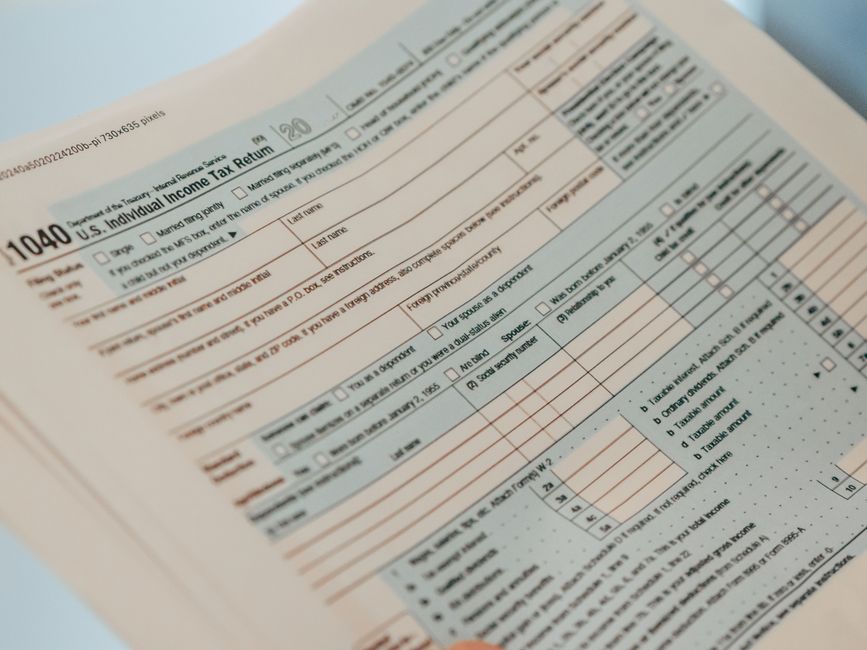
The return is filed using form 210 (modelo 210) with the Agencia Tributaria. The rate for tax residents of another EU country differs from the rate for non-residents from outside the EU. For the current rate, check the Agencia Tributaria’s official website directly.
An important point: even quarters in which your property is not let can create a reporting obligation. Spain taxes so-called “imputed” income when the property remains available to you without being occupied by guests. This mechanism often surprises owners who think they have nothing to declare out of season.
Deductible expenses on holiday lets for an EU non-resident
Good news for French owners: as tax residents of an EU member state, you can deduct certain expenses from your Spanish rental income before IRNR is calculated. This option, which is not available to non-EU non-residents, significantly reduces the taxable base.
Which expenses can be deducted?
- Community fees (owners’ association charges)
- IBI (Impuesto sobre Bienes Inmuebles), the Spanish property tax
- Maintenance and repair costs for the property
- Home insurance premiums
- Commissions paid to a concierge for the operational management of the property
- Consumables (linen, cleaning products) directly linked to the rental activity
- Depreciation of the property, under certain conditions
Every expense must be backed by an invoice. Keeping rigorous accounts or using a tax adviser (asesor fiscal) in Spain is strongly recommended to make the most of your deductions without taking risks.
The France–Spain tax treaty: how to avoid double taxation
France and Spain are bound by a bilateral tax treaty that prevents double taxation of property income. Under this treaty, income from a property located in Spain is taxable in Spain. That does not mean, however, that France forgets about you.
Do you also have to declare your Airbnb income in France?
Yes, without exception. As a French tax resident, you must declare all your worldwide income to the French tax authorities, including income from holiday lets in Spain. The treaty does, however, provide a tax credit mechanism: tax paid in Spain is deducted from French tax, which cancels out the double taxation.
In practice, you report your Spanish rental income on your French return (form 2047 for foreign income) and state the tax already paid in Spain. The French tax office then calculates the corresponding tax credit. The result: you do not pay twice, but you must complete the formalities in both countries.
Which tax regime applies in France?
In France, income from short-term furnished lets falls under the BIC regime (Bénéfices Industriels et Commerciaux). Depending on your annual takings, you come under either the micro-BIC regime, with a flat-rate allowance, or the actual-expenses regime. Thresholds and allowance rates change regularly: check the current figures on impots.gouv.fr before completing your return.
Tourist tax in Andalusia: where do things stand?
Unlike Catalonia or the Balearic Islands, Andalusia does not yet apply a regional tourist tax at the time of writing. The subject comes up for discussion regularly, and the situation could change. If such a tax were introduced, it would apply per night and per guest, as it does in other Spanish autonomous communities.
In the meantime, owners in the Axarquía (Torre del Mar, Vélez-Málaga, Nerja and the surrounding towns) are not affected by this levy. Do stay informed, though, as such a measure can be announced quickly.
The most common mistakes made by French non-resident owners
Working with owners on the Costa del Sol, we see certain mistakes again and again.
- Declaring only in France: thinking that the tax treaty exempts you from filing in Spain is a common mistake. The obligation exists in both countries.
- Forgetting quarters without lettings: as mentioned above, Spain also taxes periods of non-occupancy. Not declaring these quarters exposes you to penalties.
- Not obtaining a NIE: without a foreigner’s identification number (NIE), you cannot file form 210. You need this number well before your first return.
- Confusing tax with the tourist licence: holding a VFT licence in Andalusia is a separate regulatory obligation. Having no licence does not exempt you from tax, and vice versa.
- Not keeping proof of expenses: without invoices, deductions can be rejected in an inspection.
Surround yourself with the right advisers to secure your position
Holiday rental tax in Spain for non-residents involves two tax authorities, two filing calendars and two different legal logics. A Spanish asesor fiscal who knows the law applicable to non-residents is a valuable ally. On the French side, an accountant familiar with foreign income will complete the picture.
On the ground, a locally based concierge can also make life easier for you as a remote owner. At Las Llaves de Aitana, we support owners with all the operational side of their property in the Axarquía: welcoming guests, preparing the property, optimising listings, managing bookings. We are neither tax advisers nor accountants, but we know the realities on the ground and work closely with the local professionals who can advise you on tax matters.
Whether you let an apartment in Torre del Mar, a house in Nerja or a studio in La Caleta de Vélez, the key is the same: anticipate your obligations, keep your paperwork and rely on competent professionals in each country. Your peace of mind with the tax authorities depends on it, and so does your return.